


From Imperial Court Cuisine to Viral Snacks: The Cultural and Market Evolution of Hawthorn Products
2026-02-06浏览量:6
A ripe hawthorn berry, when bitten into, reveals flesh that is both sour and sweet - a flavour that has journeyed from the imperial kitchens of the Qing Dynasty to today's trending lists in live-streaming rooms. The century-long evolution of hawthorn products not only represents the inheritance and innovation of flavour but also bears witness to changing consumer demands and industrial transformations across different eras, ultimately evolving from royal tribute to a widely beloved snack.
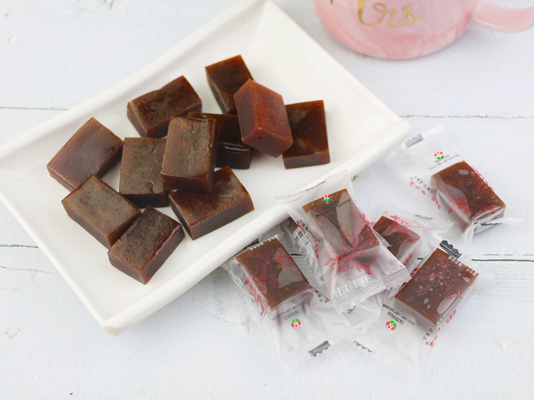
The "noble origin" of hawthorn products began with the culinary wisdom of the Qing Dynasty court. According to the "Rehe Chronicles", when Emperor Kangxi was hunting in Xinglong County, he lost his appetite due to travel fatigue. Local hunters offered him freshly picked hawthorn berries, and their sweet-sour taste instantly stimulated his appetite. Subsequently, hawthorn was incorporated into imperial cuisine, with royal chefs combining it with rock sugar and honey to create hawthorn paste and preserves, maintaining its nutritional value while balancing its tartness. During Emperor Qianlong's reign, the custom of "autumn hawthorn consumption" emerged in the palace, where the imperial kitchen would combine hawthorn with malt and fermented grain to create "Three Immortals Cake", a digestive delicacy exclusively for the royal family. The palace's favour elevated hawthorn from wild fruit status, establishing its cultural foundation as both food and medicine.
During the late Qing and early Republican period, hawthorn products transitioned from palace to public, becoming part of common people's flavour memories. As trade increased, farmers in major hawthorn-producing regions like Hebei's Xinglong and Shandong's Qingzhou began processing fresh fruit into storable haw flakes and hawthorn balls. In times of material scarcity, these malt sugar-processed hawthorn products became children's precious treats - a rolled haw flake could release abundant sweet and sour flavours, while round hawthorn balls, coated in crystalline sugar frost, offered perfect balance. During this period, hawthorn products were primarily handmade, with simple flavours and packaging, yet their affordable prices and unique taste made them iconic snacks in Northern regions, completing their transformation from "royal cuisine" to "popular delicacy".
After China's reform and opening up, hawthorn products underwent industrial transformation, gradually forming a scaled industry. In the 1980s, hawthorn processing factories were established nationwide, replacing traditional handcrafting with standardised production lines. Processes like washing, pitting, pulping, and cooking became mechanised, improving both output and food safety. During this phase, hawthorn products began emphasising packaging design, with regional brands like "Beijing Haw Flakes" and "Shandong Hawthorn Slices" emerging and selling nationwide. Simultaneously, companies began experimenting with flavour innovations, incorporating ingredients like apple and mulberry into traditional recipes, developing composite-flavour hawthorn snacks to meet diverse consumer demands.
In the internet era, hawthorn products have successfully joined the ranks of "viral snacks" thanks to their health benefits and nostalgic appeal. Modern consumers' food demands have shifted from "filling and satisfying" to "healthy and nutritious", aligning perfectly with hawthorn's digestive benefits. Companies have responded by launching pure products without artificial flavours or sweeteners, using erythritol instead of sucrose to create "low-sugar hawthorn treats", generating social media buzz with their "clean ingredient lists". E-commerce livestreaming has given new vitality to hawthorn products, with hosts showcasing crystalline hawthorn flesh and refreshing hawthorn drinks, selling tens of thousands of units in a single session, helping this traditional snack transcend regional limitations to become a national favourite.
From imperial cuisine to viral snack, hawthorn products' evolution has consistently kept pace with the times, maintaining their cultural essence as both food and medicine while adapting to new consumer demands. This balance of tradition and innovation is the core of traditional food's vitality.
Chengde Ruitai Food Co., Ltd. exemplifies the innovative development of hawthorn products. As a leading enterprise rooted in "China's Hawthorn Capital", it leverages Xinglong's premium hawthorn resources, combining traditional craftsmanship with modern technology to develop popular products like hawthorn treats and additive-free preserved fruits. With its core brand "Delingguo", the company expands its market through e-commerce platforms and livestreaming channels, bringing palace-inspired hawthorn flavours to more modern households.
Some content is reposted from the internet. Copyright belongs to the original authors. If infringement occurs, please contact us for removal. Content involving franchising or investment carries risks - exercise caution when making decisions.
