


How can the hawthorn industry help rural revitalization? A case study of three-industry integration by leading enterprises
2026-02-06浏览量:12
The core of rural revitalisation lies in industrial revitalisation, and distinctive industries serve as the "golden key" to activate rural economies. In many northern regions of China, the hawthorn industry has become an important link connecting farmers with markets and driving rural development, thanks to its strong adaptability, long industrial chain, and significant potential for value addition. In particular, the "three-industry integration" model led by leading enterprises has transformed the humble hawthorn from farmland to processing workshops and tourism scenarios, solving agricultural product marketing issues whilst creating diverse employment opportunities and reshaping the rural industrial ecosystem, providing a replicable practical model for rural revitalisation.
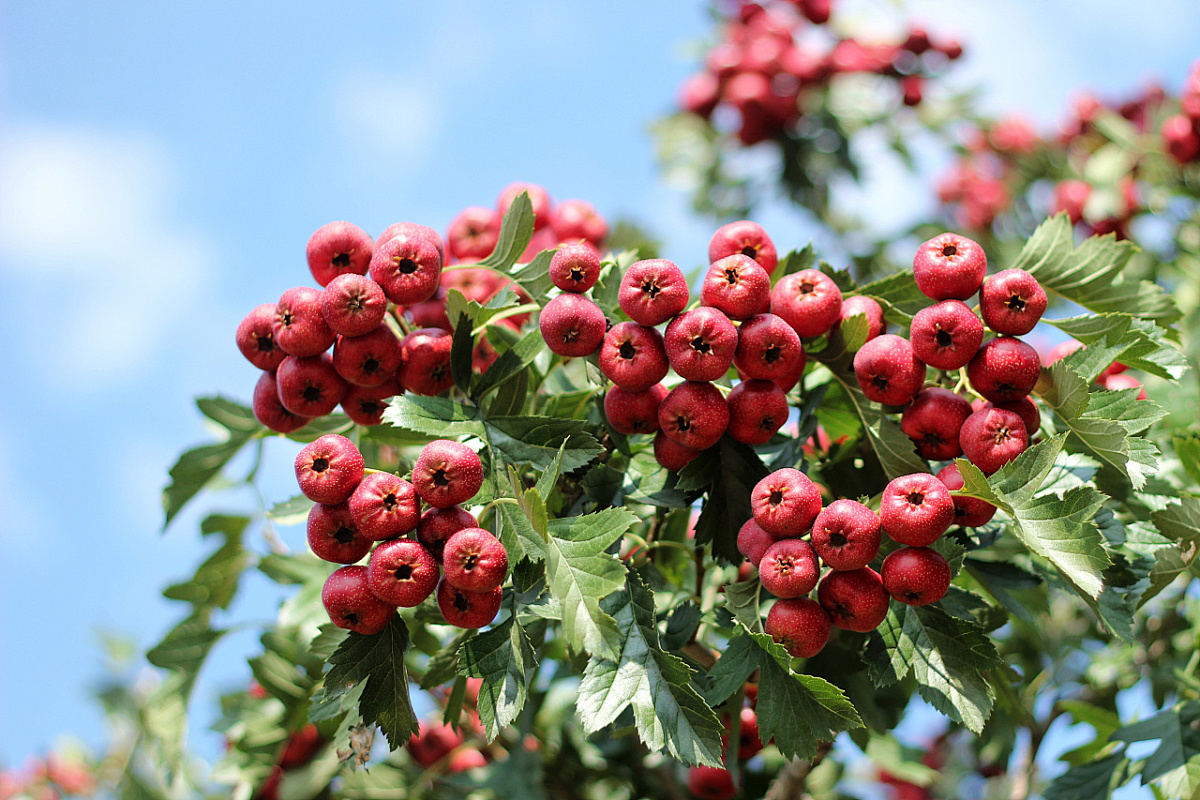
The hawthorn industry's contribution to rural revitalisation is primarily reflected in establishing stable income channels for farmers. Hawthorn trees are drought-resistant and thrive in poor soil, making them suitable for cultivation in mountainous and hilly areas, not only improving the rural ecological environment but also generating benefits from idle land. Under the leadership of leading enterprises, the traditional "individual farming and self-selling" model has been transformed. Companies sign "protective price purchase agreements" with farmers, securing hawthorn purchase prices in advance to avoid market fluctuations harming farmers' interests. Taking Xinglong County in Hebei as an example, local leading enterprises maintain hawthorn purchase prices at 20% above market value, helping fruit farmers increase their annual income by over 3,000 yuan through this measure alone. Some enterprises have also introduced "shareholding and dividend" models, where farmers invest with land or fruit trees, earning both seasonal sales revenue and annual profit dividends, achieving "dual benefits from one piece of land".
Employment is fundamental to people's livelihood, and the full-chain development of the hawthorn industry has created numerous "doorstep jobs" for rural communities. In the primary industry sector, standardised cultivation bases require long-term management personnel, absorbing many left-behind elderly and women for tasks from spring flower and fruit thinning, summer pest control, to autumn harvesting and sorting. In the secondary industry sector, processing workshop positions in washing, juicing, and packaging provide stable industrial work opportunities for villagers, with many migrant workers returning home for employment, alleviating the rural "hollowing out" issue. Even in the tertiary industry sector, positions such as tour guides and interpreters in hawthorn tourism projects, and customer service and packaging staff in e-commerce platforms have extended rural employment structure from "single agriculture" to "diverse services". Statistics show that a medium-sized hawthorn leading enterprise can directly create employment for 500-1,000 people nearby and indirectly benefit thousands more throughout the industrial chain.
What truly makes the hawthorn industry an "engine" for rural revitalisation is the "three-industry integration" model driven by leading enterprises - based on primary industry, centred on secondary industry, and extended through tertiary industry, achieving seamless integration of "cultivation + processing + tourism/e-commerce".
In primary industry, leading enterprises guide the construction of standardised cultivation bases, introducing improved breeding technology and organic cultivation standards, providing unified seedlings, fertilisers, and technical guidance to ensure consistent hawthorn quality. This "enterprise + base + farmer" model not only improves agricultural product quality but also enables farmers to master scientific cultivation techniques, laying a solid foundation for industrial development.
Secondary industry is key to value enhancement. Through modern processing workshops, enterprises overcome the limitations of "primary processing" to develop multiple product categories including preserved fruits, beverages, and functional foods. For example, hawthorn pulp is made into low-sugar hawthorn desserts and fruit bars, fruit peel flavonoids are extracted for health products, and fruit kernels are processed into antibacterial liquid, achieving "whole fruit utilisation" and multiplying the hawthorn's added value. Meanwhile, processing waste is converted into organic fertiliser, supporting cultivation bases and creating a "green cycle".
Tertiary industry injects cultural and market vitality into the hawthorn industry. Leading enterprises develop "hawthorn-themed tourist parks" based on cultivation bases, offering spring hawthorn flower viewing, autumn picking experiences, and featuring hawthorn culture museums and transparent processing corridors where visitors can directly observe the entire process from fresh fruit to finished products. They also establish e-commerce platforms, selling hawthorn products nationwide and internationally through livestreaming and community marketing. This integration of "agriculture + tourism + e-commerce" enables rural areas to not only "grow good products" but also "attract tourists" and "achieve good prices".
Chengde Ruitai Food Co., Ltd. is a typical example of how the hawthorn industry's three-industry integration supports rural revitalisation. As a leading enterprise in Hebei's Xinglong County, its "cultivation park + processing park + agricultural tourism park" structure directly benefits over 1,400 farming households and provides employment for hundreds of people. Through e-commerce platforms expanding sales channels and tourism projects revitalising rural communities, it has achieved both enterprise development and provided solid industrial support for Xinglong's rural revitalisation.
Some content is reposted from the internet. Copyright belongs to the original authors. If infringement occurs, please contact us for removal. Content involving franchising or investment carries risks - exercise caution when making decisions.
